


Therapy for Therapists
in Chicago
Changing your life isn’t comfortable.
Let’s get uncomfortable.
Change through challenge
For a lot of therapists, finding the right fit for their own therapy is genuinely hard — and I think it's connected to a specific occupational skill: reading a room.
Many of us are good at tracking others’ emotional states, anticipating where a conversation is headed, adjusting before it goes wrong. Clinically, it helps but, as a client, it can hinder.
Some of this goes back further than our license. A lot of us came to this work as parentified kids — managing other people's emotional weather long before we had our own names for it. That pattern doesn't clock out when the session ends; it just got a job title.
Real change requires enough safety to actually drop that guard, and then someone willing to push once you do. If this sounds familiar, take a look at my main home page for a fuller sense of how I work.
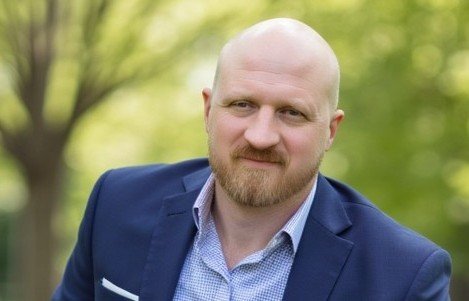
Dr. Jim Mosher, PhD, ABPP
Functional Psychotherapy: Getting to the roots
Functional Psychotherapy is the model I'm developing: bottom-up, experiential work aimed at what's underneath a pattern, not top-down management of it through insight alone. With therapist clients specifically, I also pay close attention to countertransference— my own reactions to you, in the room — not as something to avoid, but as real-time information about what's actually happening between us. That's often where the real work is. More on how I work →
Two of my published pieces give a real sense of it: a case study in combat trauma, and a paper on the practical principles behind how I practice.
Telehealth sessions in Illinois via PSYPACT authorization; I'm based in Bloomington, MN, and see clients by video only outside Minnesota.