


Therapy for Therapists in Washington, DC
If changing your life were easy, everyone would do it.
Let’s get uncomfortable.
Outside the comfort zone
Finding the right therapist for yourself is tough, especially when you're a therapist. A lot of us struggle to prioritize our own needs — probably because so many of us are parentified kids, good at anticipating others’ needs while sidelining our own.
It also means a lot of us wait too long to name what we're actually carrying. "I'm just tired" can mean different things: garden-variety overwork that responds to rest, a deeper depletion from years of absorbing other people's pain that rest alone won't touch, or a slower shift in what you believe about safety and trust after everything you've held. They don't get fixed the same way, and lumping them together usually means none of them get addressed.
To change, you need a therapist who can keep you on your toes and push, not just nod along. To learn more about me and how I work, visit my core home page.
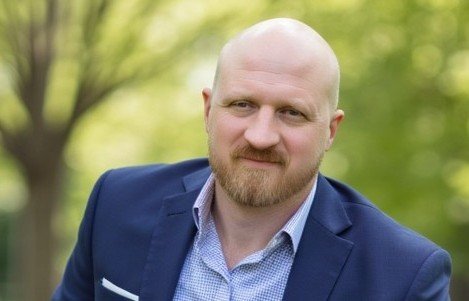
Dr. Jim Mosher, PhD, ABPP
Naming what you carry
I practice an integrative model I'm developing called Functional Psychotherapy — bottom-up, transformational work, not top-down management of symptoms through insight alone. It's one relationship, not a rotation. I bring warmth to it, and directness too, whenever that's actually useful.
For a fuller picture of what depletion in this field actually looks like — and why it's not one problem with one fix — see my piece on burnout, compassion fatigue, and vicarious trauma.
For a good sense of what the work looks like in practice, check out my recent peer-reviewed publications: a case study in combat trauma, and a paper outlining my practical approach through clinical examples.
Telehealth sessions in Washington, DC via PSYPACT authorization; I'm based in Bloomington, MN, and see clients by video only outside Minnesota.