


Therapy for Therapists
in Seattle
A full caseload doesn’t mean you’re fulfilled.
Full practice, feeling empty.
A strong caseload and a robust hourly rate don't cancel out what the work actually costs you. If anything, a full practice makes it easier to keep going without noticing what's not getting tended to — your own stuff, not your clients'. That gap between "doing well on paper" and "actually doing well" isn't a malfunction. I tend to treat it as a signal worth listening to rather than a problem to work around — a pattern a lot of us picked up early, as parentified kids, well before there was a caseload to speak of.
For many therapists, finding the right fit is tough. We're good at anticipating moves and reading the room. You need someone who'll keep you on your toes, someone who isn't too squishy to actually hold you.
If any of this speaks to your experience, visit my main home page.
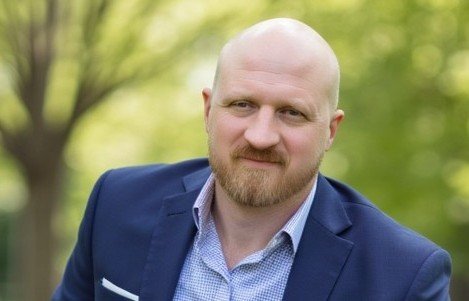
Dr. Jim Mosher, PhD, ABPP
Symptoms, not malfunctions
I practice Functional Psychotherapy, an approach I'm developing through my ongoing clinical work and qualitative research. The goal is bottom-up transformational change, not symptom management through coping skills and top-down thinking — which connects to something I write about more directly: I don't see symptoms like burnout or emptiness as malfunctions to suppress: symptoms are signals pointing to something unresolved.
If you want to see my work in action, I've published a case study in combat trauma and a paper covering the practical ideas I draw from.
Telehealth sessions in Washington via PSYPACT authorization; I'm based in Bloomington, MN, and see clients by video only outside Minnesota.